Design Lives Between Structure and Flow
The most interesting design rarely sits at one extreme.
Pure geometry can feel cold and rigid. Pure organic form can feel chaotic and unstructured. But when the two meet, something dynamic happens.
Harness design lives exactly in that intersection.
Geometry provides the framework lines, intersections, angles. Organic form brings the body into the conversation breath, movement, muscle, posture.
A well-designed harness is where those two worlds collaborate.
The Framework That Organizes the Body
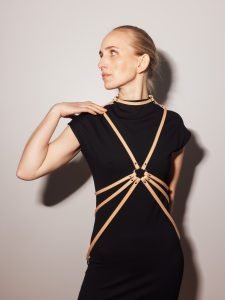
Geometry introduces visual clarity. Lines guide the eye and create rhythm across the body.
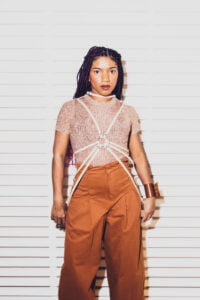
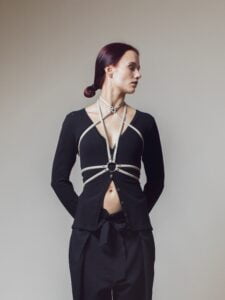
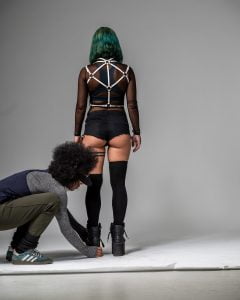
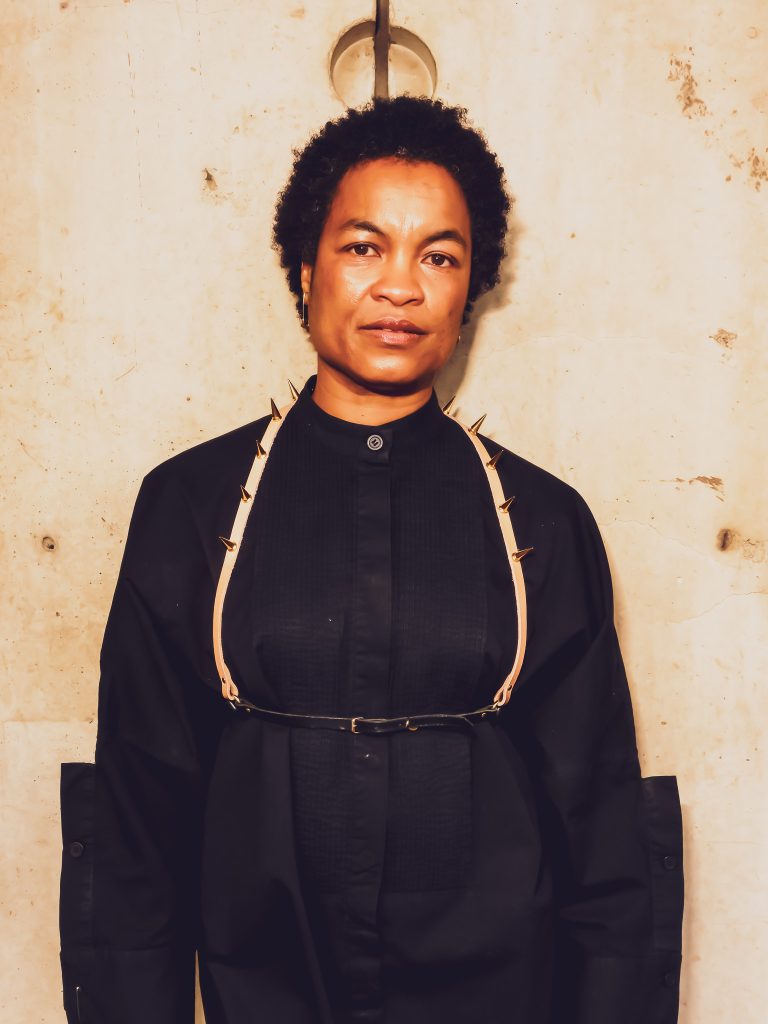
Vertical lines elongate posture. Diagonal lines create movement and tension. Intersections form focal points that naturally attract attention.
This is not random decoration. These lines shape how the body is perceived.
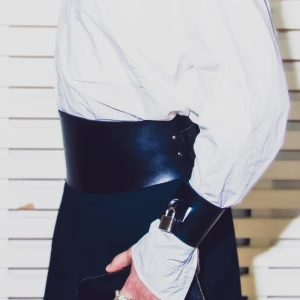
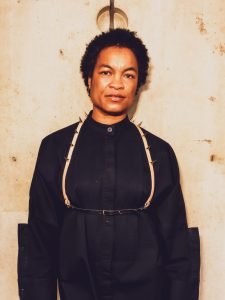
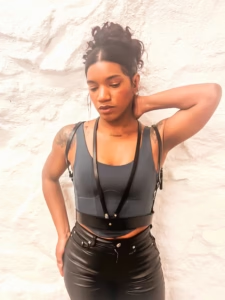
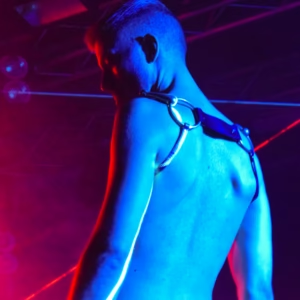
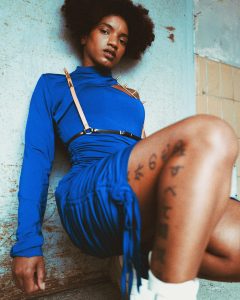
A harness can emphasize shoulders, frame the chest, or create balance across the torso simply through the placement of a few intentional straps.
The body becomes a composition.
But Bodies Are Not Buildings
Here’s where the organic element becomes essential.
Buildings don’t breathe. Bodies do.
When someone inhales deeply, their ribcage expands. When they dance, their shoulders rotate and their torso twists. Muscles shift under the skin constantly.
A design based purely on rigid geometry would restrict these natural movements.
That’s why successful harness design translates geometry into something flexible something that moves with the body instead of resisting it.
Movement Changes Everything
A harness doesn’t look the same when the body moves.
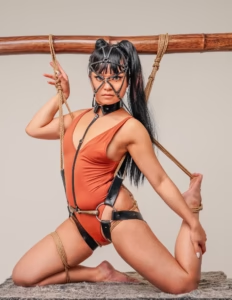
When someone walks, turns, leans forward, or stretches, the geometry transforms. Lines shift. Angles appear and disappear.
The accessory becomes dynamic.
This is what makes harnesses visually compelling in motion. The body and the design interact continuously, creating new compositions with every movement.
The Body as Living Architecture
In many ways, wearing geometric accessories turns the body into architecture.
Lines define structure. Curves soften transitions. Motion changes perspective.
Instead of clothing simply covering the body, design begins to collaborate with it.
That collaboration is where modern harness fashion becomes interesting not as costume, but as wearable design.