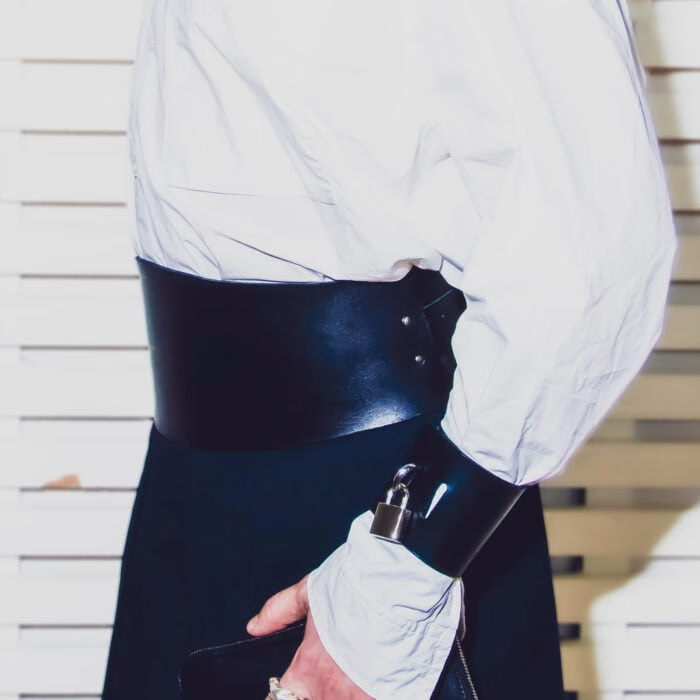
When Design Serves a Purpose
In design, there’s an important difference between decoration and function.
Decoration is visual. It adds aesthetic interest. But function is what makes an object truly useful.
When something works well, people return to it again and again. It becomes part of daily life.
This is the foundation of functional design: every element exists for a reason.
Why Function Creates Better Design
Interestingly, some of the most iconic objects in the world became beautiful precisely because they were functional.
Think of a bicycle. The shape of the frame isn’t decorative it’s structural. Yet the result is elegant.
The same principle applies to accessories.
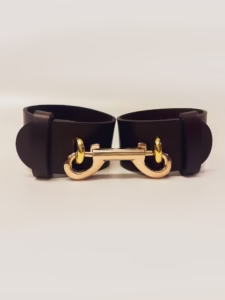
When straps distribute weight properly, when closures open easily but remain secure, when materials respond well to movement the design becomes visually satisfying because it works.
Function creates harmony.
Harnesses as Functional Objects
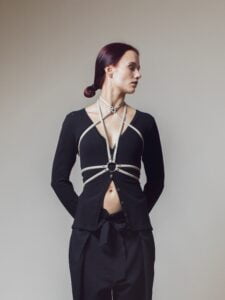
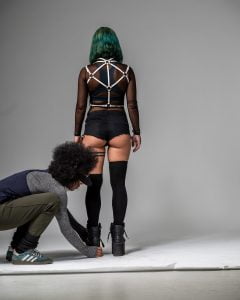
At first glance, harnesses might appear purely aesthetic.
But historically, harnesses were tools designed to hold, support, and distribute pressure. Their structure was built around practical needs.
Modern fashion harnesses borrow that logic.
Straps aren’t placed randomly. They stabilize the piece across the body. They prevent shifting during movement. They distribute tension evenly so the accessory remains comfortable.
What appears simple visually is often carefully engineered.
Durability Is Part of Design
Functional design also means designing for longevity.
Accessories encounter friction, heat, movement, and repetition. Poor construction shows quickly under those conditions.
Durable materials and thoughtful construction ensure the piece maintains its integrity over time.
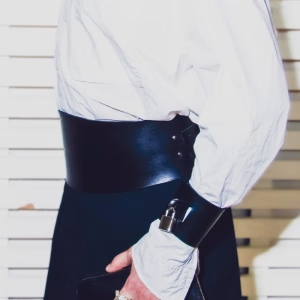
Leather, strong hardware, and reinforced stitching allow an accessory to survive real life not just a photoshoot.
The Satisfaction of Things That Work
There is a quiet pleasure in using something well designed.
A tool that fits your hand. A bag that opens smoothly. A strap that stays exactly where it should.
These small moments of ease accumulate.
Functional design may not shout for attention, but it creates trust. And trust is one of the most powerful qualities an object can have.