When Lines Meet the Human Body
Geometry is everywhere in design. In architecture, in furniture, in graphic design even in the way cities are planned.
But when geometry meets the human body, something interesting happens.
The body is soft, fluid, and organic. Geometry is structured, intentional, and precise. When the two interact, they create contrast. And contrast draws the eye.
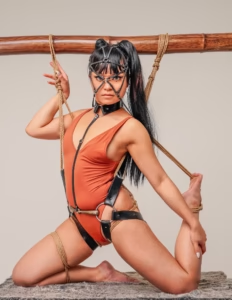
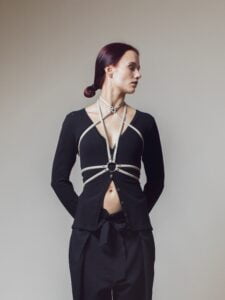
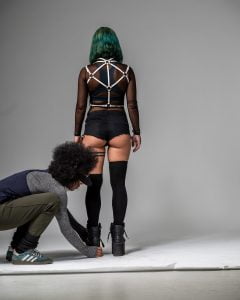
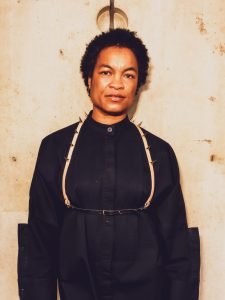
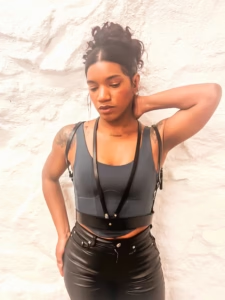
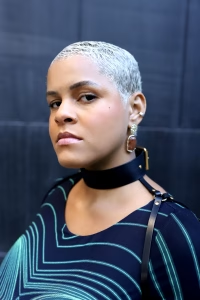
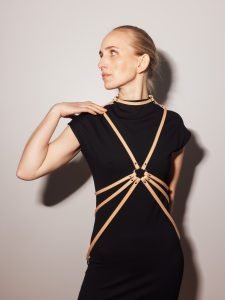
That’s why geometric accessories especially harnesses feel powerful. They introduce clean lines that frame the body without hiding it.
Why Structure Creates Visual Confidence
Geometric lines naturally guide attention. Vertical lines elongate. Diagonal lines energize movement. Horizontal lines create grounding.
Harness design uses this language intentionally.
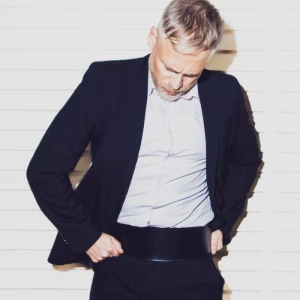
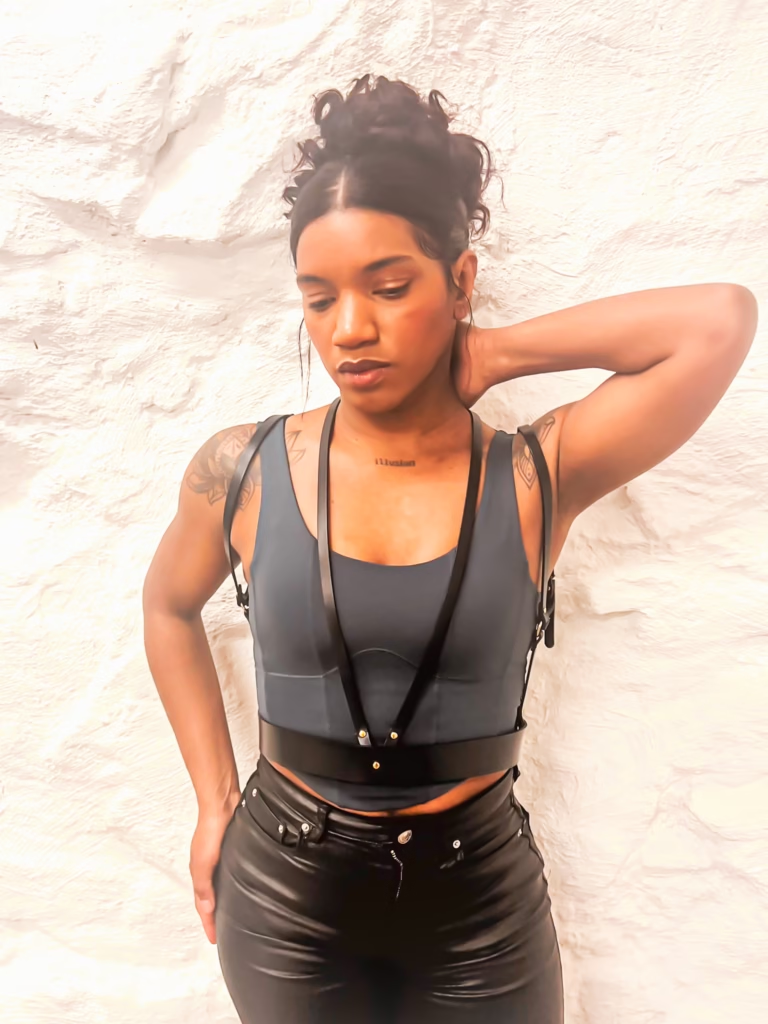
A well-placed strap can emphasize shoulders. A structured line across the torso can highlight posture. Intersections of straps create visual focus points that draw the eye where the wearer wants it to land.
Geometry becomes a quiet form of body language.
The Balance Between Precision and Comfort
Of course, geometry on a body can’t behave the same way it does on a building.
A building doesn’t breathe. A body does.
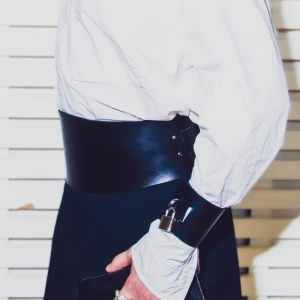
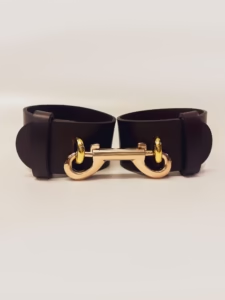
That’s why good harness design must translate geometric ideas into something flexible and wearable. Lines need to move with muscles, adapt to posture, and respond to motion.
When done well, geometry becomes fluid rather than rigid.
Geometry as Personal Expression
Geometric accessories do something subtle: they amplify presence.
They add intention to the silhouette without overwhelming it. They turn the body into composition lines, shapes, movement.
And sometimes that’s all it takes to change how someone feels in their own skin.